✉ rankandrent2+plumbing-new-jersey@gmail.com Mon–Fri: 7 AM–10 PM · Sat: 8 AM–10 PM · Sun: 7 AM–9 PM
Plumbing services

Sump Pump Installation in Elizabeth & the Corridor

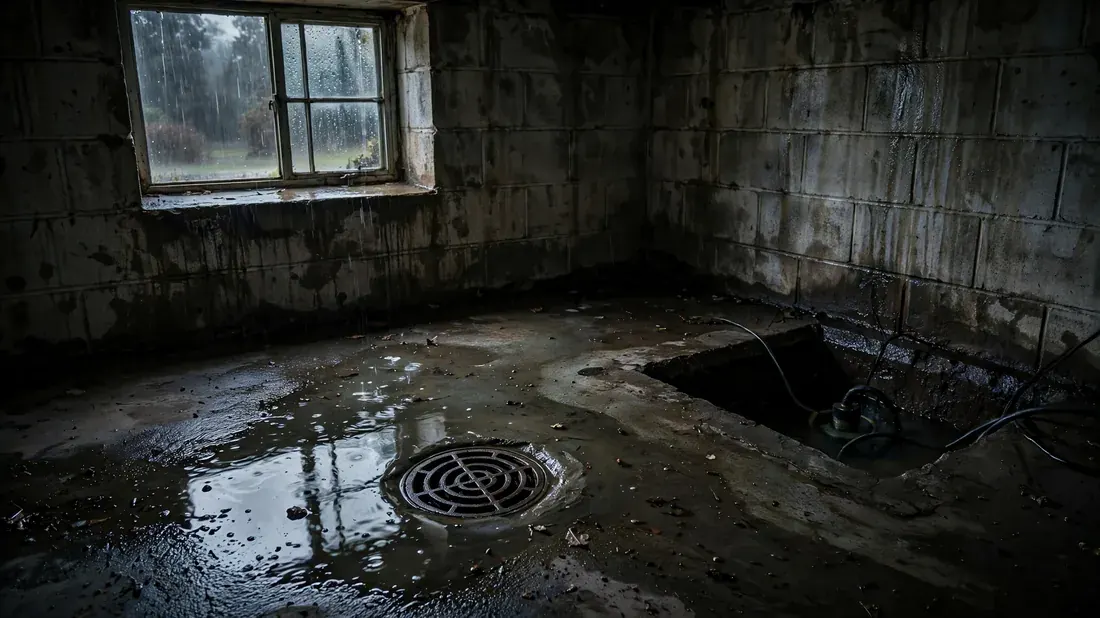
A sump pump fails the way smoke detectors do: silently, untested, and discovered at the worst moment — usually by water rising in the pit during the storm it existed for. This corridor's basements sit close to the water table and down-slope of three rivers, and its storms arrive off the Atlantic with opinions. This service replaces tired pumps before their discovery, and fits backup systems for the nights the power joins the storm.

Water in a basement — the failure a sump pump exists to prevent
Understanding

Understanding Sump Systems in This Corridor

A sump system is simple: a pit collects the water that gathers under and around the foundation, and a pump lifts it out through a discharge line when the level rises. Its enemies are time and silence. Switches corrode and stick, impellers wear, check valves fail and let discharged water run back into the pit to be pumped twice. A pump can be years dead while looking perfectly installed, because nothing asks it a question until the water rises.

The corridor's record makes the stakes plain: the remnants of Hurricane Ida put Elizabeth's streets and basements under water in September 2021, in houses whose pumps were overwhelmed, unpowered, or quietly dead. Capacity matters, discharge routing matters — and the lesson the region learned is that the storm tests the pump you have, not the pump you meant to replace.

  • A pump that has not been heard running in any recent storm
  • Water rising in the pit while the pump hums, or silence from the pit entirely
  • A pump that runs constantly, or cycles on and off in short bursts
  • A discharge that has frozen, clogged or come apart outside
  • A finished basement protected by a single aging pump
  • Storm outages that leave the pit undefended — a backup is overdue
The honest scope

What Pump Work Covers — and the Drainage Border

This service covers the pump system itself: replacing failed or aging pumps, fitting pumps and pits where a pit exists or belongs, renewing check valves and discharge piping, and installing battery backup pumps that take over when power or the primary pump fails. Every installation ends with the pit filled and the pump run under real water — a witnessed test, not an assumption.

What it does not cover is foundation drainage itself — exterior grading, footing drains and waterproofing belong to drainage and waterproofing trades. If the pit never fills while the walls weep, that is their conversation, and the plumber will say so rather than sell a pump for a wall's problem.

What's included

What Pump Installation Includes

Sizing to the pit and the house

Pump capacity matched to the pit's inflow — learned from the old pump's duty and the basement's history — not the biggest unit on the shelf.

Check valve renewal

The one-way valve that keeps discharged water discharged, replaced as part of the job — its failure is the commonest cause of a pump that never rests.

Discharge checked end to end

The line out inspected for freeze points, separations and a discharge point that sends water away from the foundation, not back to it.

Battery backup options

A secondary pump on battery power that answers the two failures a primary cannot: the outage and its own death, on the same night, in the same storm.

The process

Our Sump Pump Process

On the intake call: floods, near-floods, how the old pump behaves in a storm. A basement's history sizes its pump better than any chart.

A local plumber inspects the pit, the old pump's state and the discharge route before the replacement is chosen.

Old pump out; new pump set, check valve renewed, discharge reconnected and sealed — the system made whole, not just the unit swapped.

The pit is filled and the pump runs its cycle in front of you. You leave knowing it works, because you watched it work.

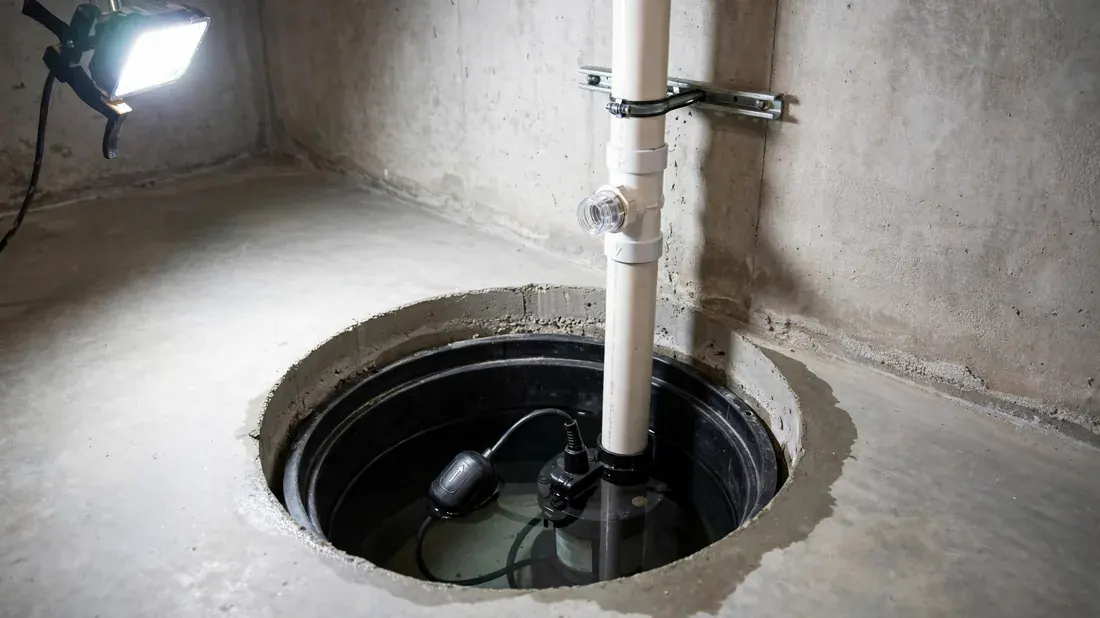
A sump pump installed in a basement pit

Confirmed before work begins

Each step is talked through on the call and confirmed on site by the matched plumber.

Tools & methods

Tools and Methods for Pump Work

Float and switch testing

The switch is the pump's most mortal part. Mechanical and electronic switches are tested through full cycles, not assumed from a single lift.

Pit and inflow assessment

Watching how fast the pit fills in real conditions — the measurement that decides capacity honestly.

Discharge freeze protection

Routing and pitching discharge lines so winter cannot seal them shut, with the weep hole drilled where the design calls for it.

Backup system fitting

Battery pumps plumbed in parallel with alarms that speak up — a backup nobody hears fail is only half a backup.

Before and after

Before and After — What Changes

Before

The pump that died in silence

A pump dead for what the corrosion said was a year, discovered during a nor'easter with the pit at the rim.

After

A new pump and check valve fitted, the discharge rerouted clear of its frozen section — and a battery backup standing behind it.

Before

The short-cycling pump

A pump firing every ninety seconds through every rain, wearing itself out on water it had already pumped.

After

A failed check valve found and replaced; the pump restored to honest cycles and an ordinary lifespan.

Before

The finished basement, defended

A completed basement renovation sitting behind a nine-year-old builder's pump.

After

The pump replaced on schedule rather than on failure, a backup added, and the renovation's worst night rehearsed and passed in a bucket test.

Problems we solve

Problems Solved by Sump Pump Work

The situations this service exists for — described the way homeowners describe them on the call.

01

Silent pump failure

The corridor's classic flood story. Testing and timely replacement convert it into a maintenance event instead of a disaster.

02

Power outages during storms

The pump's electricity and the storm arrive together. A battery backup is the only version of the system that works on that night.

03

Short cycling and backflow

A dead check valve makes one pump do every gallon twice. The valve is a small part; the wear its failure causes takes the pump.

Good questions

Sump Pump Installation — Frequently Asked Questions

Pour water into the pit until the float rises. The pump should start, empty the pit quickly, and stop. If it hums, trickles or stays silent, it has answered the test — and replacement before the storm beats replacement during it.

With regular duty, somewhere around seven to ten years is a fair expectation, less where the water table keeps it busy. Age alone is a reason to test; age plus a finished basement is a reason to replace on schedule.

If your basement has anything in it you would grieve — and especially if your area loses power in storms — yes. The outage and the flood are the same weather event. A backup is the system acknowledging that.

Either the pump has lost its strength, the impeller is clogged, or the discharge is blocked or frozen — the water is being lifted nowhere. It is a diagnose-now fault: the pump is telling you it will lose the next real storm.

Keep exploring

Related Services

One call starts it

Need Sump Pump Installation in Northern New Jersey?

One intake takes the job's description once and matches it with an independent local plumber who serves your city.

📞 Call Now

Mon–Fri 7 AM–10 PM · Sat 8 AM–10 PM · Sun 7 AM–9 PM ET

Get in touch

Call Before the Problem Gets Worse

One way in while this area's local intake number is being connected: the contact route on this page. Describe the problem, and the matching starts. That is the whole system — by design.

One Call Starts It

Describe the problem once — where it is, what it is doing, when it started — and the intake matches you with an independent local plumber who serves your city.

📞 Call Now or write to us rankandrent2+plumbing-new-jersey@gmail.com
📞Call nowCall Now