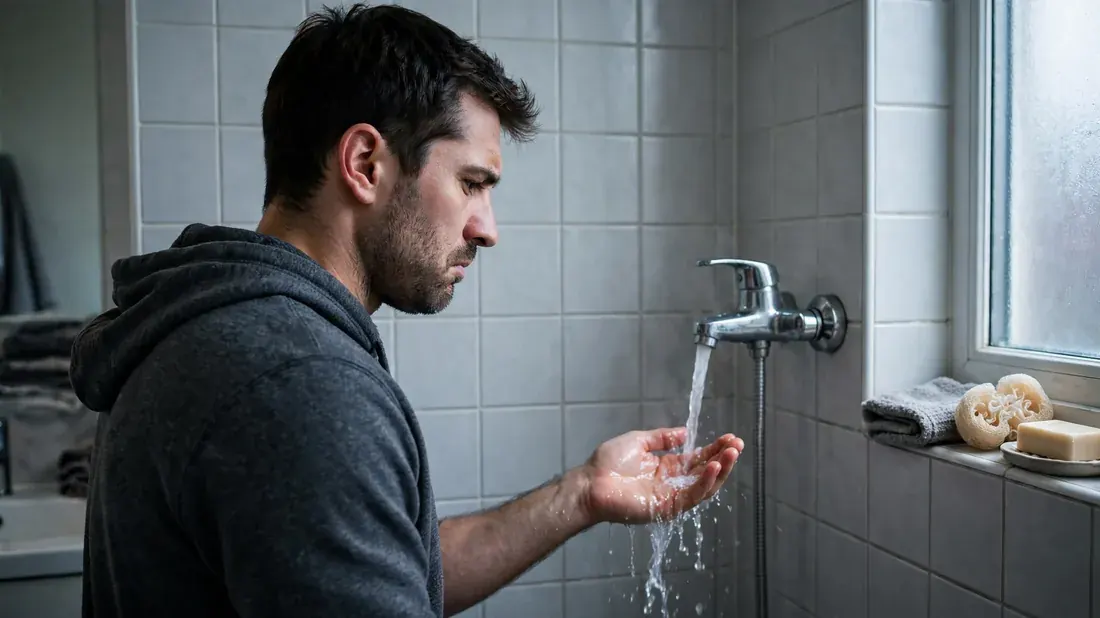
It rarely happens all at once. The shower that used to stay hot now fades at the ten-minute mark; the second shower of the morning never really gets warm. A water heater that runs out faster than it used to is not being moody — it is reporting one of a handful of specific problems.
Here is the short list, in the order a plumber would check them, and the clues that separate a repairable heater from one at the end of its road.
Sediment: The Usual Suspect
Every tank water heater accumulates sediment — minerals that settle out of the water and collect at the bottom of the tank, exactly where the burner or elements do their work. The layer insulates the water from the heat and takes up space that used to hold hot water. The result is a tank that heats slower and delivers less: the classic runs-out-early complaint.
Sediment announces itself if you listen. Rumbling, popping or kettle sounds from the tank are water boiling under the sediment layer. A heater that has started talking to you is describing this problem in its own language.
The Dip Tube Problem
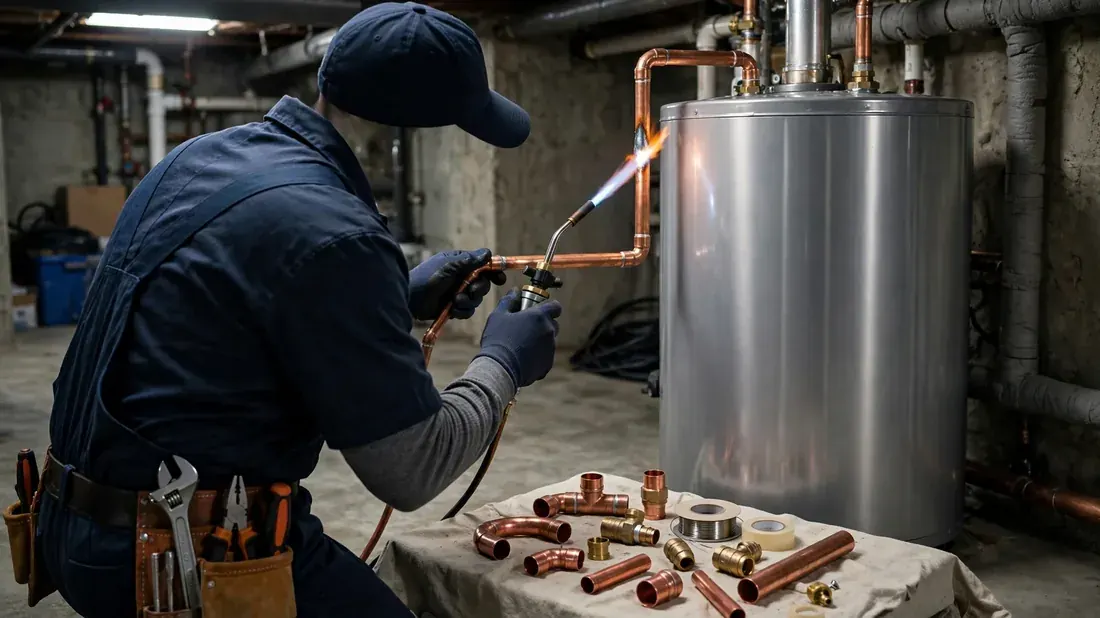
Cold water enters the tank through a dip tube that delivers it to the bottom, so hot water can be drawn from the top. When a dip tube cracks or breaks off short — common in heaters from certain production years and in any aging tank — incoming cold water dumps at the top and mixes with the hot supply. The shower starts hot and fades fast, even though the tank below is full of hot water.
The tell is the pattern: hot, then quickly lukewarm, while the heater itself seems to fire and run normally. It is a parts problem, not a tank problem — but on an older heater it often arrives alongside other age problems, which is what the repair-versus-replace conversation is for.
Elements, Burners and Thermostats
Electric heaters carry two elements, upper and lower. When the lower element fails, the tank heats only its top portion properly and the usable hot water shrinks dramatically — the shower pattern feels exactly like a much smaller tank. Gas heaters have their own version: a weak burner or a failing thermostat that stops the firing cycle early.
These are testable, replaceable parts. A plumber checks them with a meter rather than by guess, and on a heater in otherwise sound condition an element is a sensible repair. The diagnosis matters more than the part: swapping parts at random is how a simple fault turns into three visits.
Or the House Outgrew the Tank
Sometimes nothing is broken. A finished basement with a new bathroom, a teenager who discovered long showers, a soaking tub that was not in the house when the heater was sized — demand grows, and a tank that was adequate becomes a tank that is not. The heater runs out fast because the house asks for more than it holds.
There is also the recovery question: two showers back-to-back test not just capacity but how fast the tank reheats. A heater can be the right size and still lose the morning if its recovery has slowed with age and sediment — which is why sizing and condition belong in the same conversation.
The Age Question Every Owner Faces
Tank heaters in regular service typically last somewhere around eight to twelve years, and this corridor's water and winters do them no favors. Past that range, every repair decision carries a shadow question: the tank itself — the one part that cannot be replaced — is aging too, and a tank failure is not a cold shower, it is water through the floor below.
The practical rule plumbers use: on a younger heater, repair the part; on an older one, weigh the repair against replacement honestly, especially if the heater sits above finished space where a leak would do real damage. Nobody can make that call from a symptom alone — it needs the age, the condition and the location in the same look.
What to Tell the Intake When You Call
Four facts sort a water-heater call faster than anything: the heater's age if you know it (there is a label on the tank), whether the water starts hot and fades or never gets hot, any new noises from the tank, and whether the change was sudden or gradual. Sudden points to a part; gradual points to sediment or age.
In the 16 cities covered here, that description on the intake line gets you matched with a plumber who does water-heater work daily. If the heater has already stopped entirely — no hot water at all — say so first; it changes the sorting, and the line treats a dead heater in a full house the way it deserves.
Get Help With Plumbing in Northern New Jersey
Guides explain the system; they do not turn a wrench. If this one ends at "this needs a plumber", call the intake line, describe what you found, and get matched with an independent local plumber who serves your city.
📞 Call Now